Understanding the Difference Between Faux Wood and Real Wood Blinds
Understanding the Difference Between Faux Wood and Real Wood Blinds
Choosing between faux wood and real wood blinds often feels like picking sides in a never-ending home decor debate. But here is a surprising fact. Faux wood blinds can last up to 10 years even in the steamy conditions of your bathroom, while real wood can start warping much sooner. Many assume only the look matters, yet the material you choose can affect everything from your electricity bill to how you feel in your own home.
Table of Contents
- What Are Faux Wood And Real Wood Blinds?
- Why Choosing The Right Blinds Matters
- How Faux Wood And Real Wood Blinds Work
- Key Features And Benefits Of Each Type Of Blind
- Real-World Applications And Considerations
Quick Summary
| Takeaway | Explanation |
|---|---|
| Real wood blinds are authentic but require care | Made from natural timber, real wood blinds offer aesthetic appeal but need careful maintenance, especially in humid environments. |
| Faux wood blinds resist moisture and last longer | Manufactured from synthetic materials, faux wood blinds are ideal for high humidity areas and generally require less upkeep. |
| Energy efficiency impacts comfort | The right blinds help regulate indoor temperatures, potentially reducing energy costs and improving comfort throughout the year. |
| Aesthetic choices influence overall design | Real wood blinds bring natural warmth, while faux wood options provide uniform appearance; both enhance interior aesthetics. |
| Consider long-term value when shopping | Faux wood blinds often cost less long-term due to durability and maintenance, whereas real wood blinds add timeless elegance and possible value to your home. |
What are Faux Wood and Real Wood Blinds?
When considering window treatments, homeowners often find themselves choosing between faux wood and real wood blinds. Each type offers unique characteristics that suit different environments and aesthetic preferences. Understanding the fundamental differences between these two blind styles helps make an informed decision for your living spaces.
Material Composition and Origin
Real wood blinds are crafted from natural timber, sourced from various tree species like basswood, oak, or cedar. These blinds represent pure, organic window coverings that bring authentic natural warmth and character to interior spaces. Faux wood blinds, by contrast, are manufactured using synthetic materials such as PVC or composite wood particles, engineered to mimic the appearance of genuine wooden blinds.
Key Characteristics and Performance
The primary distinctions between real and faux wood blinds extend beyond mere appearance. Real wood blinds offer superior insulation properties and can be customised with multiple stain and paint options. They are lightweight and provide excellent light filtering capabilities. According to Window Treatment Experts, real wood blinds typically have a lifespan of 7-10 years with proper maintenance.
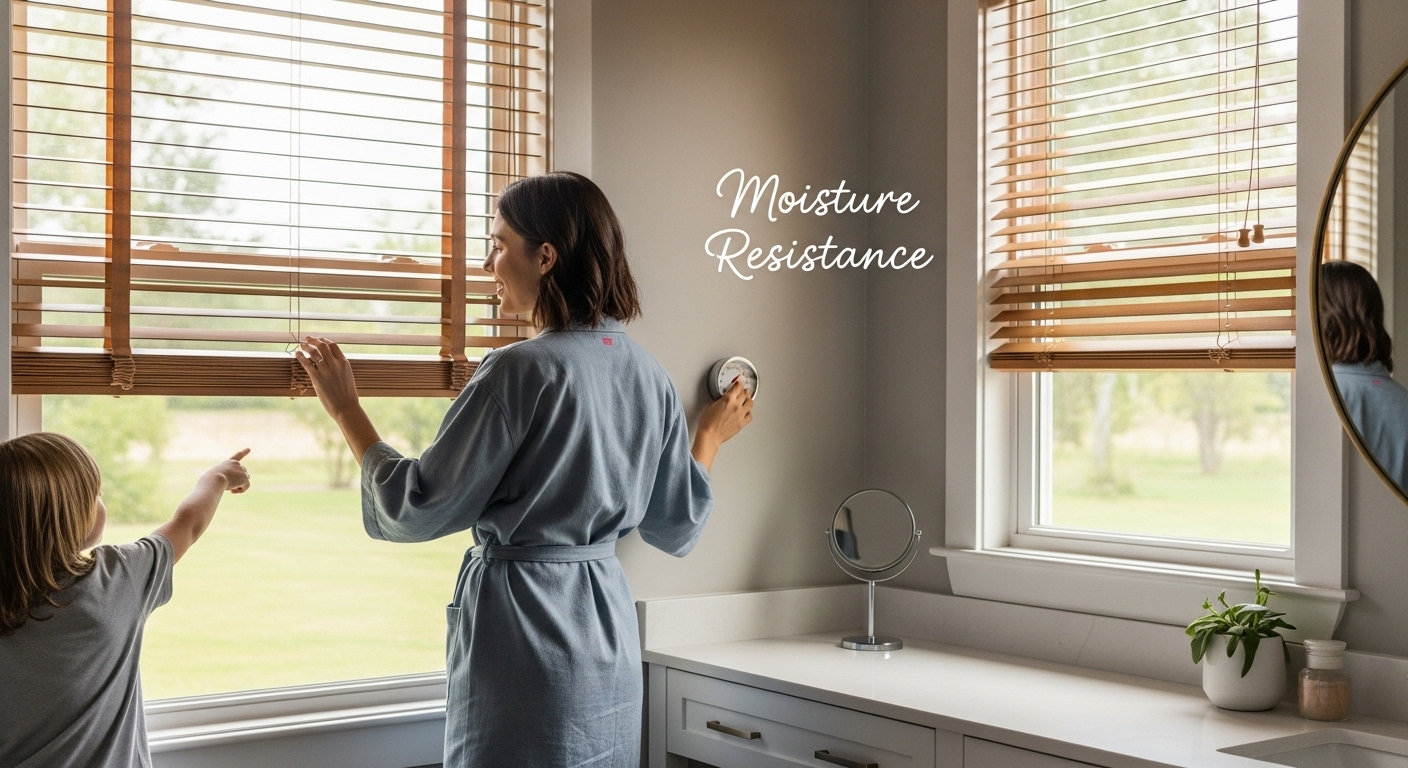
Faux wood blinds, however, excel in moisture resistance and durability. They perform exceptionally well in high humidity environments like bathrooms, kitchens, and laundry areas where wooden blinds might warp or deteriorate. Their synthetic composition makes them more resistant to temperature fluctuations and potential moisture damage.
Aesthetic and Functional Considerations
Choosing between faux wood and real wood blinds ultimately depends on your specific requirements. Real wood blinds provide:
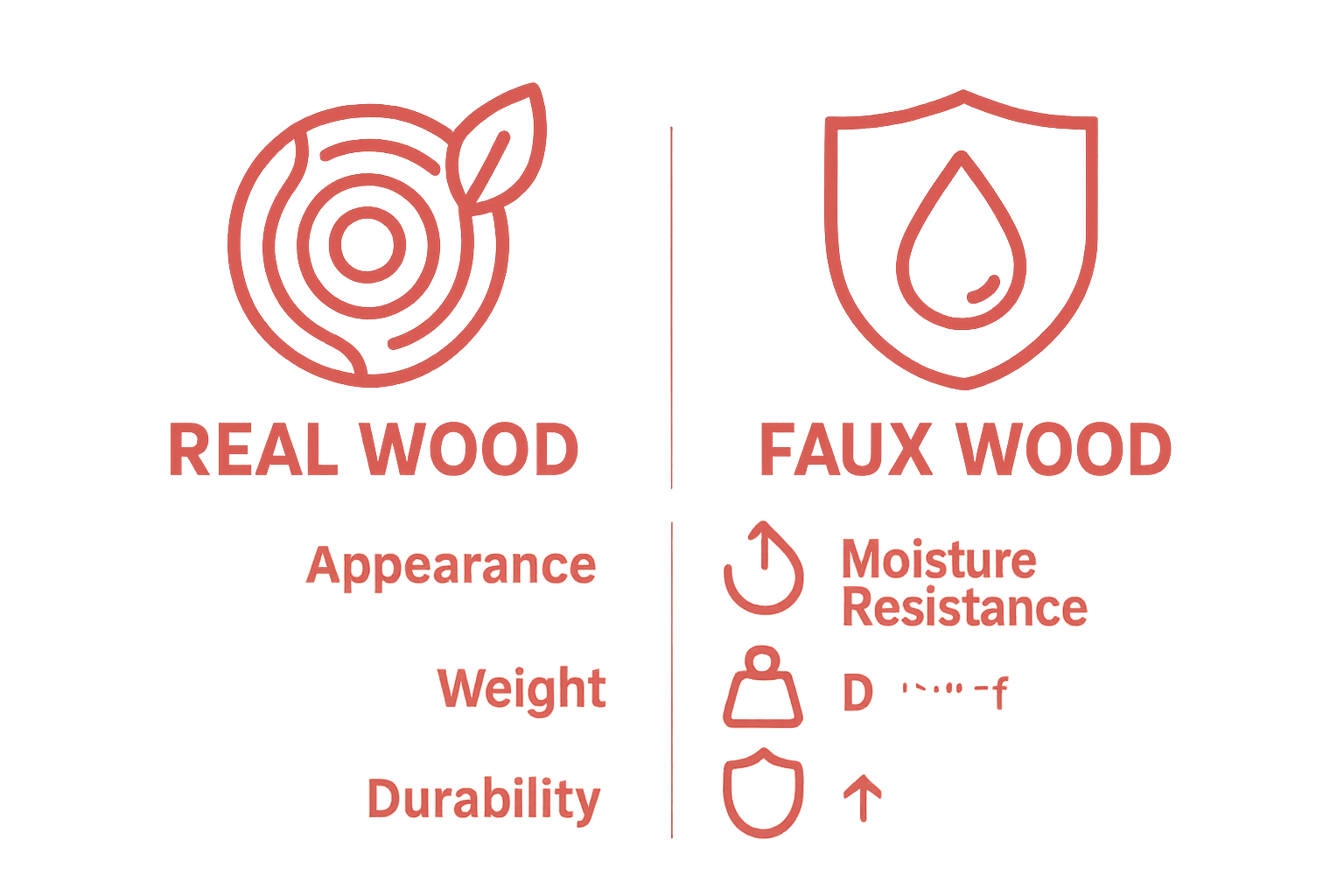
- Natural, authentic wood grain texture
- Lighter weight
- More design flexibility
- Premium aesthetic appeal
Faux wood blinds offer:
- Superior moisture resistance
- Enhanced durability
- More uniform appearance
- Cost effective alternative
Understanding these nuanced differences allows homeowners to select window treatments that perfectly complement their interior design and functional needs.
To help clarify the main practical differences, the table below compares key features and benefits of faux wood and real wood blinds side-by-side.
| Feature / Benefit | Real Wood Blinds | Faux Wood Blinds |
|---|---|---|
| Material Composition | Natural timber (basswood, oak, cedar) | Synthetic (PVC, composite wood particles) |
| Aesthetic Appeal | Authentic wood grain, unique texture | Uniform, wood-like appearance |
| Moisture Resistance | Prone to warping in humid areas | Highly resistant; ideal for damp spaces |
| Weight | Lighter | Heavier |
| Design & Finish Options | Custom staining and painting available | Pre-finished, less customisation |
| Maintenance | Requires regular care and preservation | Low-maintenance, easy to clean |
| Durability in Humid Spaces | Can deteriorate | Lasts up to 10 years, even in bathrooms |
| Average Lifespan | 7-10 years with proper maintenance | Up to 10 years in demanding environments |
| Cost & Long-Term Value | Higher upfront; adds timeless elegance | Lower initial cost; more economical overall |
Why Choosing the Right Blinds Matters
Selecting the appropriate window blinds transcends mere aesthetic considerations. Your choice impacts energy efficiency, interior comfort, privacy, and overall home functionality. Understanding the profound implications of window treatment selection empowers homeowners to make strategic decisions that enhance their living environments.
Energy Efficiency and Comfort
Window coverings play a critical role in thermal regulation. According to the U.S. Department of Energy, properly selected blinds can significantly reduce heat loss during winter and minimise heat gain during summer. Real wood and faux wood blinds offer different insulation properties that directly influence a home’s energy consumption and comfort levels.
Homeowners can potentially achieve substantial energy savings by selecting blinds with appropriate material composition and design. The right blinds act as an additional thermal barrier, helping maintain consistent indoor temperatures and reducing reliance on heating and cooling systems.
Aesthetic and Functional Considerations
Beyond energy efficiency, blinds contribute substantially to interior design and functionality. They provide crucial light control, privacy management, and atmospheric transformation. Different blind materials offer unique advantages:
- Real wood blinds deliver natural warmth and sophisticated texture
- Faux wood blinds offer superior moisture resistance
- Both options enable precise light and privacy management
Moreover, blinds are not just decorative elements but functional investments. They protect interior furnishings from direct sunlight, prevent furniture fading, and can significantly enhance a room’s visual appeal. Learn more about our custom outdoor shade solutions that complement interior window treatments.
Long Term Value and Maintenance
Choosing the right blinds involves considering long term value and maintenance requirements. Different materials demand varying levels of care and have distinct lifespans. Faux wood blinds typically require less maintenance and perform better in high moisture environments, while real wood blinds offer timeless aesthetic appeal but need more careful preservation.
By understanding these nuanced differences, homeowners can select window treatments that not only look beautiful but also provide practical, long lasting solutions tailored to their specific environmental and lifestyle needs.
How Faux Wood and Real Wood Blinds Work
Understanding the mechanics behind faux wood and real wood blinds reveals the intricate design and functionality that make these window treatments both practical and aesthetically pleasing. Their operation involves sophisticated mechanisms that enable precise light control, privacy management, and room ambience regulation.
Structural Mechanism and Operation
Both faux wood and real wood blinds typically utilise a horizontal slat system with a cord and ladder tape mechanism. This design allows users to adjust the angle and position of individual slats, providing granular control over light and privacy. The primary operational components include:
- Headrail (top mechanism)
- Horizontal slats
- Cord control system
- Tilt rod or cordless mechanism
The tilt mechanism enables rotation of slats between 0 and 180 degrees, allowing precise light filtering and visibility management. Cordless options provide a cleaner aesthetic and enhanced child safety, representing modern technological advancements in blind design.
Material Specific Performance
Real wood blinds leverage natural timber’s inherent properties, offering lightweight operation and elegant movement. Their wooden construction allows slight flexibility, enabling smoother tilting and more nuanced light control. According to Independent Handyman Services, professional installation ensures optimal functionality and longevity.
Faux wood blinds, constructed from synthetic materials like PVC, provide more rigid and uniform movement. Their engineered composition allows consistent performance across various environmental conditions, making them ideal for spaces with temperature and humidity fluctuations.
Advanced Operational Features
Modern blind technologies have expanded operational capabilities beyond traditional manual systems. Motorised options now enable:
- Remote controlled adjustments
- Smartphone app integration
- Programmable opening and closing schedules
- Integration with smart home systems
These technological enhancements transform blinds from simple window coverings into intelligent home management tools. Explore our custom outdoor shade solutions to understand how advanced blind technologies can enhance your living spaces.
By comprehending the intricate workings of faux wood and real wood blinds, homeowners can make informed decisions that balance aesthetic preferences with functional requirements.
Key Features and Benefits of Each Type of Blind
Choosing between faux wood and real wood blinds involves understanding their unique characteristics, performance capabilities, and specific advantages. Each blind type offers distinct benefits that cater to different functional requirements and aesthetic preferences.
Structural and Material Advantages
Real wood blinds represent a premium window treatment option with exceptional natural properties. According to Forest Industry Management, wood provides superior thermal and acoustic insulation, maintaining a natural hygroscopic balance with the surrounding environment. Their key structural benefits include:
- Natural thermal regulation
- Lightweight construction
- Excellent sound dampening qualities
- Authentic wood grain aesthetics
- Potential for custom staining and finishing
Faux wood blinds, engineered from synthetic materials like PVC, deliver consistent performance across diverse environmental conditions. Their manufactured composition ensures uniform appearance and enhanced durability in challenging spaces.
Environmental and Practical Performance
Environmental adaptability represents a critical consideration when selecting window treatments. Faux wood blinds excel in high moisture environments such as kitchens, bathrooms, and laundry areas. Their synthetic construction prevents warping, cracking, and degradation commonly experienced by natural wood materials.
Real wood blinds, while aesthetically superior, require more careful maintenance and are less suitable for humid spaces. Homeowners must consider their specific environmental conditions when making a selection. Learn more about our custom outdoor shade solutions to understand material performance in different settings.
Cost and Long Term Value
The financial investment in window treatments extends beyond initial purchase price. Faux wood blinds typically offer more economical long term value with:
- Lower initial cost
- Reduced maintenance expenses
- Greater durability in challenging environments
- Consistent aesthetic performance
Real wood blinds, while more expensive, provide timeless elegance and potential increase in property value. Their natural materials and craftsmanship represent an investment in sophisticated interior design.
By carefully evaluating these nuanced features, homeowners can select window treatments that perfectly balance aesthetic preferences, functional requirements, and budgetary constraints.
Real-World Applications and Considerations
Transitioning from theoretical understanding to practical implementation reveals the nuanced ways faux wood and real wood blinds serve diverse residential and commercial environments. Each blind type offers unique solutions tailored to specific spatial requirements and aesthetic preferences.
Residential Space Applications
Real wood blinds excel in living spaces that demand sophisticated design and natural warmth. In areas like home offices, bedrooms, and living rooms, these blinds create an elegant atmosphere while providing precise light control. According to University of Pretoria’s Timber Design Research, wood represents a renewable resource that enhances interior design sustainability.
Faux wood blinds prove particularly effective in high moisture areas such as kitchens, bathrooms, and laundry spaces. Their synthetic composition resists humidity, preventing warping and maintaining structural integrity where traditional wooden blinds might deteriorate.
Commercial and Specialised Environments
Commercial settings demand window treatments that balance functionality, durability, and aesthetic appeal. Faux wood blinds offer consistent performance in:
- Corporate office spaces
- Medical facilities
- Educational institutions
- Hospitality environments
Their uniform appearance and low maintenance requirements make them an ideal choice for professional settings that require reliable, long lasting window coverings.
Sustainability and Environmental Considerations
Modern consumers increasingly prioritise environmentally responsible choices. Real wood blinds sourced from sustainable forestry practices represent an eco-conscious window treatment option. Explore our custom outdoor shade solutions to understand how sustainable materials contribute to broader environmental goals.
Faux wood blinds, while synthetic, offer their own environmental advantages:
- Reduced replacement frequency
- Lower manufacturing energy consumption
- Potential for future recycling technologies
By understanding these practical applications, homeowners and design professionals can make informed decisions that align with their functional requirements, aesthetic preferences, and environmental values.
The table below summarises how both faux wood and real wood blinds perform in various real-world applications and settings, helping you choose the best fit for your needs.
| Application / Environment | Real Wood Blinds | Faux Wood Blinds |
|---|---|---|
| Living Rooms & Bedrooms | Elegant, warm and natural atmosphere | Suitable, though less premium |
| Kitchens & Bathrooms | Not ideal; prone to moisture damage | Excellent; resists humidity and warping |
| Commercial Offices | Enhances prestige; needs maintenance | Durable; low-maintenance and consistent |
| High-Humidity/Coastal Areas | Can deteriorate over time | Excellent resistance, ideal for climate |
| Corporate & Institutional Use | Premium look; higher upkeep | Uniform, practical and cost-effective |
| Eco-Conscious Projects | Sustainable when sourced responsibly | Lower replacement frequency, recyclable |
Enhance Your Home with Tailored Blinds Expertise
Are you overwhelmed by the choice between faux wood and real wood blinds? In the heart of the Garden Route, where varied climates and décor preferences create unique interior challenges, finding the right window solution is about more than just looks. The article highlights issues like moisture resistance, insulation, and the need for long-lasting style. If you want blinds that suit your lifestyle, space, and environment—especially in humid areas or design-centric rooms—you want honest guidance, not a one-size-fits-all answer.
Let our dedicated team at Custom Blinds transform your windows with a personalised approach that goes beyond ordinary shopping. Experience our hands-on service with virtual consults, AI-powered product advice from Melvin, and a wide range of custom indoor and outdoor blind solutions. Whether you are wanting natural warmth or all-weather durability, we will guide you every step of the way. Visit our homepage today to chat live or book your virtual appointment and take the first step toward the perfect blinds for your home.
Frequently Asked Questions
What are the main differences between faux wood and real wood blinds?
The main differences include material composition, moisture resistance, and aesthetic appeal. Real wood blinds are made from natural timber, offering a warm appearance, while faux wood blinds are made from synthetic materials, providing durability and moisture resistance.
How do faux wood blinds perform in humid environments compared to real wood blinds?
Faux wood blinds excel in humid environments such as bathrooms and kitchens because they resist warping and moisture damage. Real wood blinds may deteriorate in such conditions due to their natural composition.
What are the maintenance requirements for faux wood blinds versus real wood blinds?
Faux wood blinds typically require less maintenance, as they are resistant to moisture and do not warp. Real wood blinds require more careful preservation to maintain their appearance and integrity over time.
Which type of blinds provides better insulation: faux wood or real wood?
Real wood blinds generally offer superior insulation properties due to the natural thermal regulation of wood. However, both types can significantly contribute to energy efficiency, depending on their design and fit within the window frame.
Recommended
- Stunning Side Track Outdoor Blinds: Elevate Your Outdoor Space
- Stunning Double Roller Blinds Zebra Blinds | Custom Blinds®
- Inspired Custom Blinds Design Services | Garden Route
- Outdoor Weather Blinds Unlock A Stylish Outdoor Space


