Understand the Best Blinds For Privacy
Understanding the Best Blinds for Privacy Needs
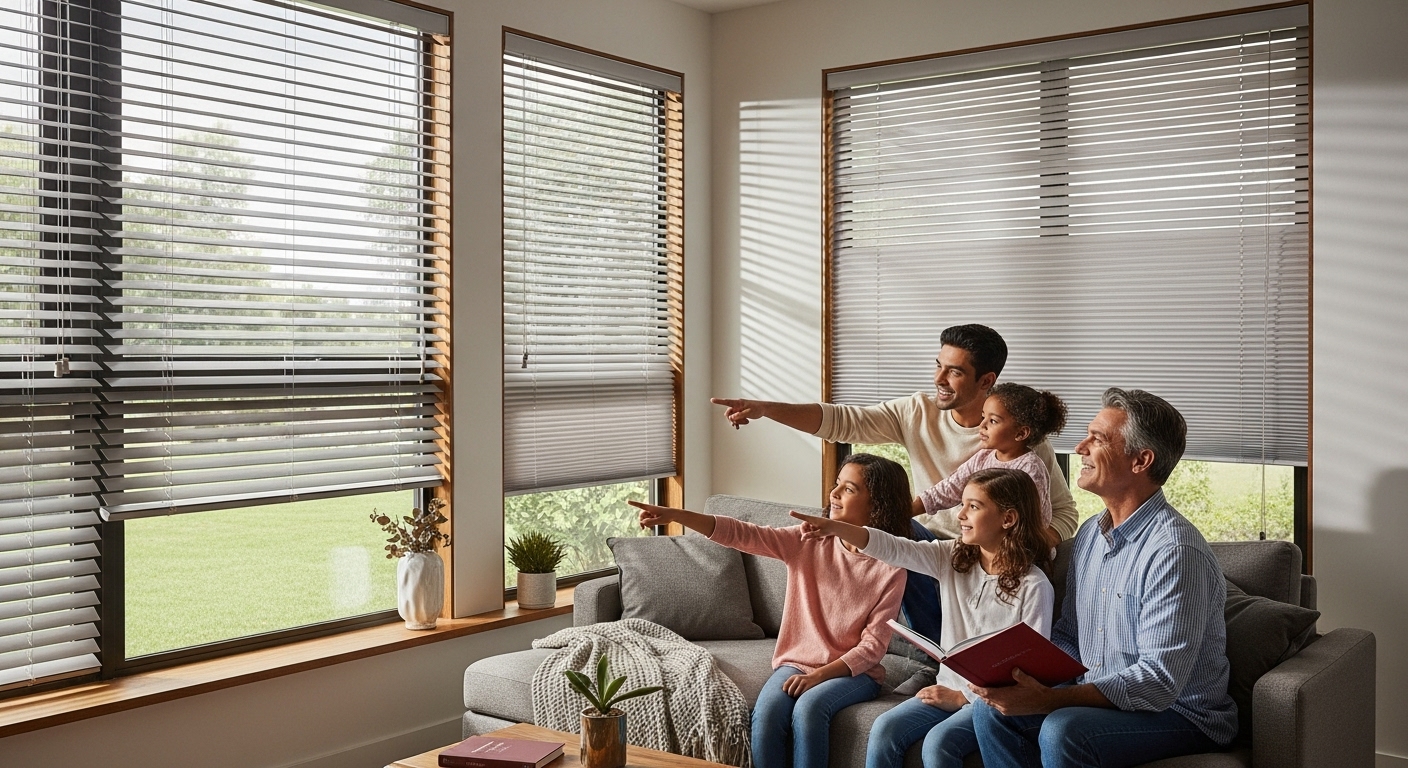
Privacy in your home is more than just closing a window. It is about creating a safe space where you can truly relax and unwind. Surprisingly, not all blinds offer the same level of seclusion. Some let in peeping eyes even when you think you are covered. Research shows that blinds with narrow slats or thick fabrics offer far superior privacy compared to standard options. This means the wrong choice could leave your personal sanctuary exposed when you least expect it.
Quick Summary
| Takeaway | Explanation |
|---|---|
| Choose blinds based on material and opacity | Evaluate fabric density and structure for effective light blocking and privacy control. |
| Adjustable visibility enhances privacy | Blinds like Venetian offer precise angles to manage light and visibility according to preferences. |
| Consider room-specific requirements for blinds | Different rooms like bathrooms or living rooms need tailored window treatments to ensure optimal privacy. |
| Understand psychological benefits of privacy | Creating personal sanctuaries contributes to emotional well-being and comfort in home environments. |
| Explore diverse applications of privacy blinds | Privacy blinds serve functional roles in both residential and commercial spaces, enhancing visual comfort and control. |
What are the Best Blinds for Privacy?
Privacy is more than just blocking prying eyes it is about creating a personal sanctuary where you feel secure and comfortable. When considering best blinds for privacy, homeowners need to understand that not all window coverings are created equal. Each style offers unique advantages depending on your specific requirements.
Understanding Privacy Levels in Blinds
The effectiveness of privacy depends on several critical factors:
- Material density and opacity
- Adjustability of light and visibility control
- Installation method and coverage
- Specific room requirements
According to window treatment experts, the right blind can transform a space from exposed to entirely private with just a simple adjustment.
Factors That Determine Privacy Performance
Privacy performance in blinds is determined by multiple elements. Slat width, material composition, and operational mechanism play significant roles. Venetian blinds, for instance, allow precise angle control letting you decide exactly how much visibility you want. Roller blinds provide complete coverage with light filtering or blackout options.
Some top performers in the privacy category include:
-
Venetian blinds with narrow slats
-
Cellular shades with light filtering fabrics
-
Vertical blinds for larger window spaces
-
Plantation shutters with adjustable louvers
Our comprehensive privacy guide offers deeper insights into selecting the perfect window treatment for your specific needs. Understanding these nuances helps you make an informed decision that balances aesthetics, functionality, and personal comfort.
To clarify the distinctions between popular blind styles, here is a comparison table highlighting how different blinds address privacy and light control in the home.
| Blind Type | Privacy Level | Light Control | Key Features |
|---|---|---|---|
| Venetian Blinds | High (with narrow slats) | Excellent (adjustable slats) | Precise angle adjustment, adaptable for many rooms |
| Cellular Shades | Moderate to High | Good (light filtering or blockout options) | Insulating, soft fabric, minimal gaps |
| Vertical Blinds | Moderate | Excellent (suitable for large windows) | Rotating slats, ideal for wider or sliding windows |
| Plantation Shutters | High (with closed louvers) | Excellent (movable louvers) | Elegant, solid construction, easy adjustment |
| Roller Blinds | High (uses blockout fabric) | Good (up/down operation) | Complete coverage, streamlined look |
Why Privacy Matters in Home Design
Privacy is not merely a luxury but a fundamental psychological need that directly impacts our mental wellbeing and quality of life. In modern home design, creating personal spaces that offer emotional and physical security has become increasingly critical.
Psychological Dimensions of Privacy
Our homes represent more than physical structures they are personal sanctuaries where we retreat from external pressures. Architectural psychology research demonstrates that individuals who can control their visual and spatial boundaries experience significantly reduced stress levels and increased sense of personal autonomy.
Privacy in home design encompasses several crucial elements:
- Emotional safety and psychological comfort
- Control over personal environmental interactions
- Ability to modulate social engagement
- Protection from unwanted external observations
Privacy as a Design Principle
Designing for privacy requires thoughtful consideration of architectural elements and interior solutions. Window treatments play a pivotal role in this dynamic, offering residents precise control over their visual boundaries. Bedroom to bathroom design solutions demonstrate how strategic blind selection can transform living spaces into adaptable, comfortable environments.
Key considerations in privacy oriented design include:
- Strategic window placement
- Layered visual barriers
- Flexible light and visibility management
- Material selection for sound and visual insulation
Understanding privacy as a nuanced design principle means recognizing that it is not about complete isolation but about creating spaces where individuals can feel secure, comfortable, and in control of their immediate environment.
How Different Blinds Provide Privacy
Privacy is a nuanced concept that varies dramatically across different window treatment solutions. Each blind type offers unique mechanisms for controlling visibility, light transmission, and personal space boundaries.
Opacity and Visibility Control
The fundamental privacy performance of blinds depends on their structural design and material properties. Window treatment specialists emphasize that understanding material transparency is crucial for selecting appropriate privacy solutions.
Privacy effectiveness varies across blind types:
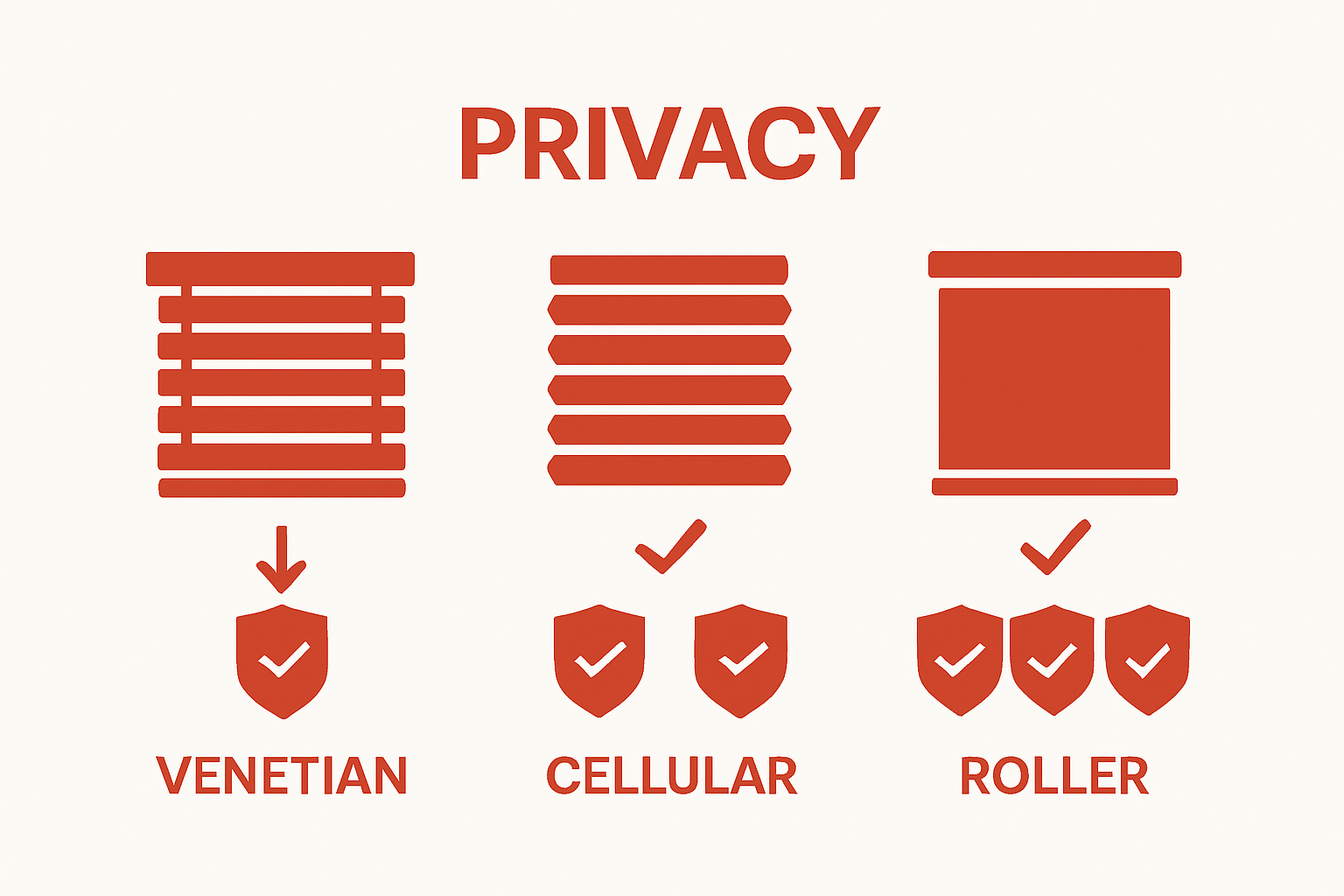
- Complete blockout capabilities
- Partial light filtering options
- Adjustable visibility angles
- Directional light management
Blind Types and Their Privacy Mechanisms
Venetian Blinds provide exceptional privacy through their adjustable horizontal slats. By tilting slats at precise angles, residents can create graduated visibility ranges from completely closed to partially open. Narrow slat designs offer superior privacy compared to wider slat configurations.
Key privacy characteristics include:
- Precise angle control
- Multiple visibility settings
- Easy manual or motorized operation
- Adaptable to different room requirements
Our comprehensive privacy guide explores the intricate details of privacy management through strategic window treatments. Different environments demand different privacy solutions making understanding these nuances essential for creating comfortable living spaces.
Key Features to Consider for Privacy Blinds
Selecting the right privacy blinds involves more than aesthetic considerations. It requires a comprehensive understanding of technical specifications and performance characteristics that directly impact your living environment.
Material and Structural Considerations
The effectiveness of privacy blinds is fundamentally determined by their physical composition. Window treatment experts recommend evaluating materials based on their light blocking and thermal insulation properties.
Critical material characteristics include:
- Density of fabric weave
- Thickness of slats or panels
- Inherent light filtering capabilities
- Durability and maintenance requirements
Performance Metrics for Privacy
Privacy rating is a complex metric involving multiple dimensions. Blinds are not simply about blocking vision they are about creating controllable personal spaces. Our detailed Venetian blinds privacy guide explores the nuanced techniques of achieving optimal visual control.
Key performance indicators for privacy blinds include:
- Angle of light and visibility obstruction
- Day and night privacy differential
- Operational ease of privacy adjustment
- Compatibility with different window configurations
Understanding these features allows homeowners to make informed decisions that balance aesthetic preferences with functional privacy requirements.
To help you quickly assess factors critical to effective privacy blinds, the following feature table summarises important material and performance considerations you should review before making your choice.
| Feature/Metric | Description |
|---|---|
| Fabric Density | Determines light blocking and opacity |
| Slat or Panel Thickness | Influences ability to obstruct views |
| Adjustable Angle/Positioning | Allows personal control over privacy and light direction |
| Day vs Night Privacy | Assesses visibility differences under varying conditions |
| Operational Mechanism | Manual or motorised controls for convenience |
| Maintenance and Durability | How easy the material is to clean and its lifespan |
Real-World Applications of Privacy Blinds
Privacy blinds serve far more than aesthetic purposes they are critical functional solutions addressing complex spatial challenges in residential and commercial environments. Their applications extend well beyond simple window coverings.
Residential Privacy Scenarios
Urban residential research demonstrates that privacy blinds play a pivotal role in managing visual boundaries in dense living spaces. Homeowners leverage these solutions to create flexible living environments that adapt to changing privacy needs throughout the day.
Typical residential privacy applications include:
- Bedroom window treatments preventing external visibility
- Living room blinds managing street-facing perspectives
- Bathroom window solutions ensuring complete visual protection
- Home office setups requiring controlled visual boundaries
Professional and Commercial Implementations
Workplace privacy represents another critical domain where strategic blind selection becomes essential. Modern office designs require nuanced approaches to visual management that balance transparency with personal comfort. Our Venetian blinds privacy guide explores how professional environments utilise adjustable window treatments.
Commercial privacy blind applications encompass:
- Conference room visual management
- Medical facility consultation spaces
- Open plan office visual divisions
- Client meeting areas requiring discretion
Understanding these real-world applications demonstrates how privacy blinds are sophisticated architectural elements that actively contribute to spatial functionality and personal wellbeing.
Bring Complete Privacy and Comfort Into Your Home or Office
Are you struggling to find blinds that truly deliver on privacy? As highlighted in this article, choosing the right window treatment is about much more than beauty. It is about gaining control, protecting personal boundaries, and ensuring your peace of mind. Different blinds perform in unique ways when it comes to blocking unwanted views and filtering light, making it crucial to match your privacy needs with a tailored solution. Whether you need full blockout for bedrooms, subtle separation for home offices, or adaptable styles for family areas, your space deserves expert attention.
Now is the perfect time to explore custom-made privacy blinds designed for your specific requirements. Our team at Custom Blinds specialises in helping South Africans achieve both style and sanctuary. Enjoy professional support, from consultation to installation, no matter where you live in the Garden Route or beyond. Visit our main site or request a personalised quote today. Take the first step towards effortless privacy and experience the difference proper window furnishings can make in your daily comfort.
Frequently Asked Questions
What are the best blinds for ensuring privacy?
Blinds that offer excellent privacy include Venetian blinds with narrow slats, cellular shades with light filtering fabrics, vertical blinds for larger windows, and plantation shutters with adjustable louvers. Each type provides unique features to control visibility and light.
How do different materials affect the privacy of blinds?
The material density, thickness, and opacity play a crucial role in determining the privacy performance of blinds. Denser fabrics and thicker slats generally offer better light blocking and enhanced privacy, while lighter materials may allow more visibility.
Can I adjust the level of privacy provided by my blinds?
Yes, many blinds, such as Venetian and cellular shades, allow for adjustable angles or layers that can be modified to control the amount of light and visibility, giving you the ability to customize your level of privacy throughout the day.
What is the importance of privacy in home design?
Privacy in home design is essential for creating a personal sanctuary that promotes emotional safety and psychological comfort. Effective privacy solutions help manage visual boundaries and reduce stress, allowing individuals to feel secure in their living spaces.
Recommended
- Privacy & Light Control Archives | Custom Blinds Shutters & Awnings | Official
- The Best Blinds For Privacy And Light
- 7 Essential Tips For Venetian Blinds Privacy: Tilt Up Or Down?
- 5 Tips: What Opacity Should I Choose For My Shades?
- Natural Light Control in Luxury Homes: How Smart Window Shades Enhance Comfort and Privacy - Atlanta Home Theater
- Impact of Shutters on Privacy: A 2025 Guide for UK Homes | Shutter World
Custom Blinds Shutters and Awnings serves Knysna George Plettenberg Bay Mossel Bay Sedgefield and the wider Garden Route. Order online at customblindsonline.co.za or get design and automation help at customblindsai.online. Main site customblinds.co.za.

