What is the difference between blinds and shutters?
Understanding the Difference Between Blinds and Shutters
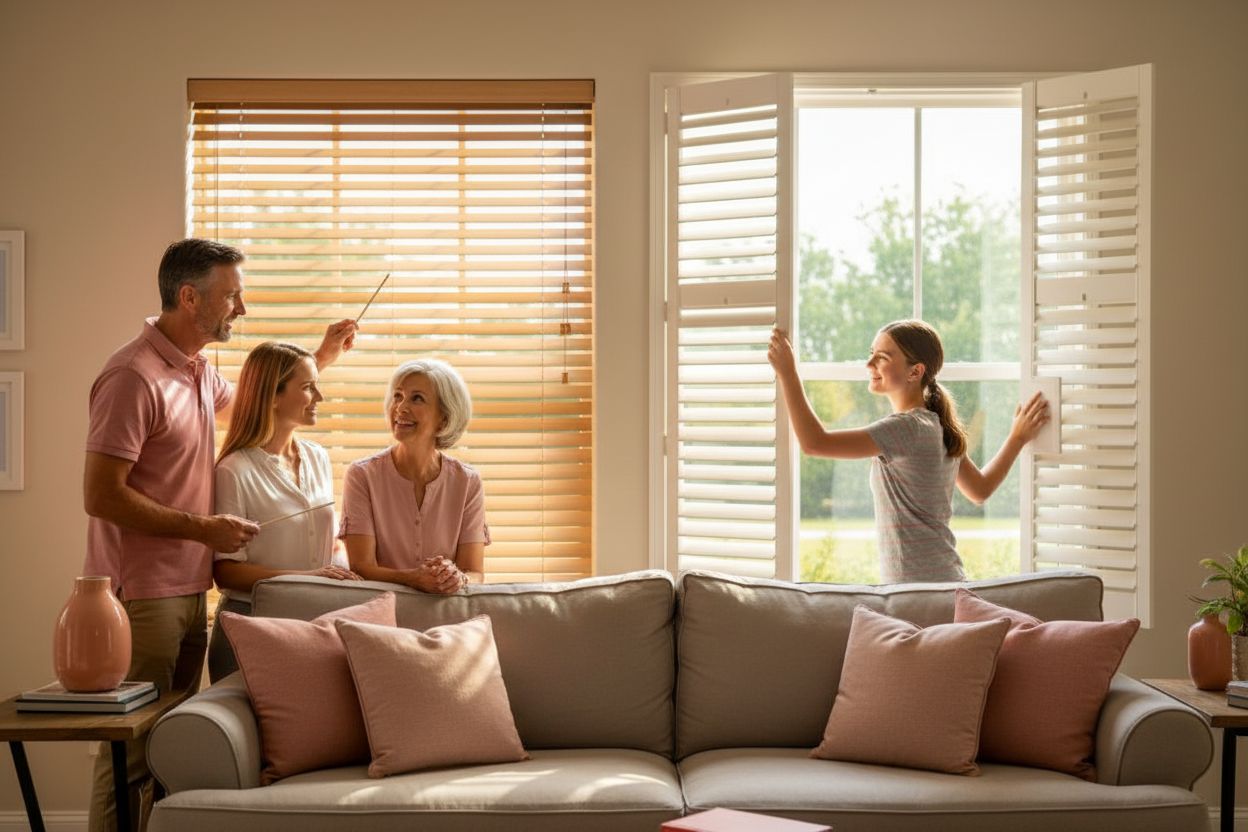
Window coverings do much more than add a bit of style to your home. Shutters can actually increase your property value because they are seen as a permanent structural improvement compared to blinds. Most people think it is all about choosing what looks nice or blocks out the sun the best. That is just a small piece of the puzzle. The real surprise is how the difference between blinds and shutters can actually affect your energy bills, your comfort and even long term maintenance costs in a way most never even think about.
Quick Summary
| Takeaway | Explanation |
|---|---|
| Blinds offer flexible light control. | They are adjustable through rotating slats and varying heights, making them suitable for changing light conditions. |
| Shutters enhance property value. | Due to their permanent installation and structural benefits, shutters can significantly increase the overall value of a property. |
| Material significantly affects performance. | The selection of materials impacts aspects like insulation, durability, and maintenance, which are crucial for optimal performance. |
| Choose based on environmental challenges. | Consider geographical factors like sunlight intensity and humidity to select window treatments tailored for specific locations. |
| Evaluate maintenance and budget. | Understanding cleaning needs and costs associated with shutters or blinds aids in making a long-term investment decision. |
What Are Blinds and Shutters?
Blinds and shutters are two distinct window treatment solutions designed to control light, provide privacy, and enhance the aesthetic appeal of interior and exterior spaces. While often confused with one another, these window coverings have unique characteristics that set them apart.
Understanding Window Blinds
Window blinds are versatile coverings typically made from horizontal or vertical slats that can be adjusted to regulate light and privacy. These functional window treatments come in various materials including aluminium, wood, fabric, and synthetic composites. Their primary mechanisms involve:
- Tilting slats to control light penetration
- Raising or lowering the entire unit for complete window coverage
- Offering adjustable opacity levels
Blinds are generally lightweight, more affordable, and provide flexible light management. They can be mounted inside or outside window frames and are particularly popular in modern residential and commercial spaces.
Exploring Window Shutters
Window shutters represent a more permanent and structured window treatment. Unlike blinds, shutters are solid panels typically mounted directly onto window frames, creating a more architectural element in a space. According to architectural design experts, shutters offer several distinct advantages:
- Enhanced structural integrity and durability
- Superior insulation properties
- Increased property value through permanent installation
Shutters can be crafted from wood, vinyl, or composite materials and often feature adjustable louvers that allow precise light and ventilation control. They provide a more substantial visual statement compared to traditional blinds and can significantly contribute to a room’s overall design aesthetic.
Whether choosing blinds or shutters, homeowners and designers must consider factors like light control, privacy needs, architectural style, and budget to select the most appropriate window treatment for their specific environment.
Why Does the Difference Matter?
Understanding the nuanced differences between blinds and shutters goes beyond aesthetic preferences. These window treatments significantly impact functionality, energy efficiency, property value, and personal comfort in ways that can transform living and working environments.
Functional Performance and Versatility
The functional distinctions between blinds and shutters directly influence how spaces are experienced. Explore our comprehensive window treatment guide to understand their unique capabilities. Blinds offer remarkable flexibility with quick light adjustment and compact storage, making them ideal for spaces requiring frequent modifications. Shutters, conversely, provide more robust protection and structural integrity.
Key performance differences include:
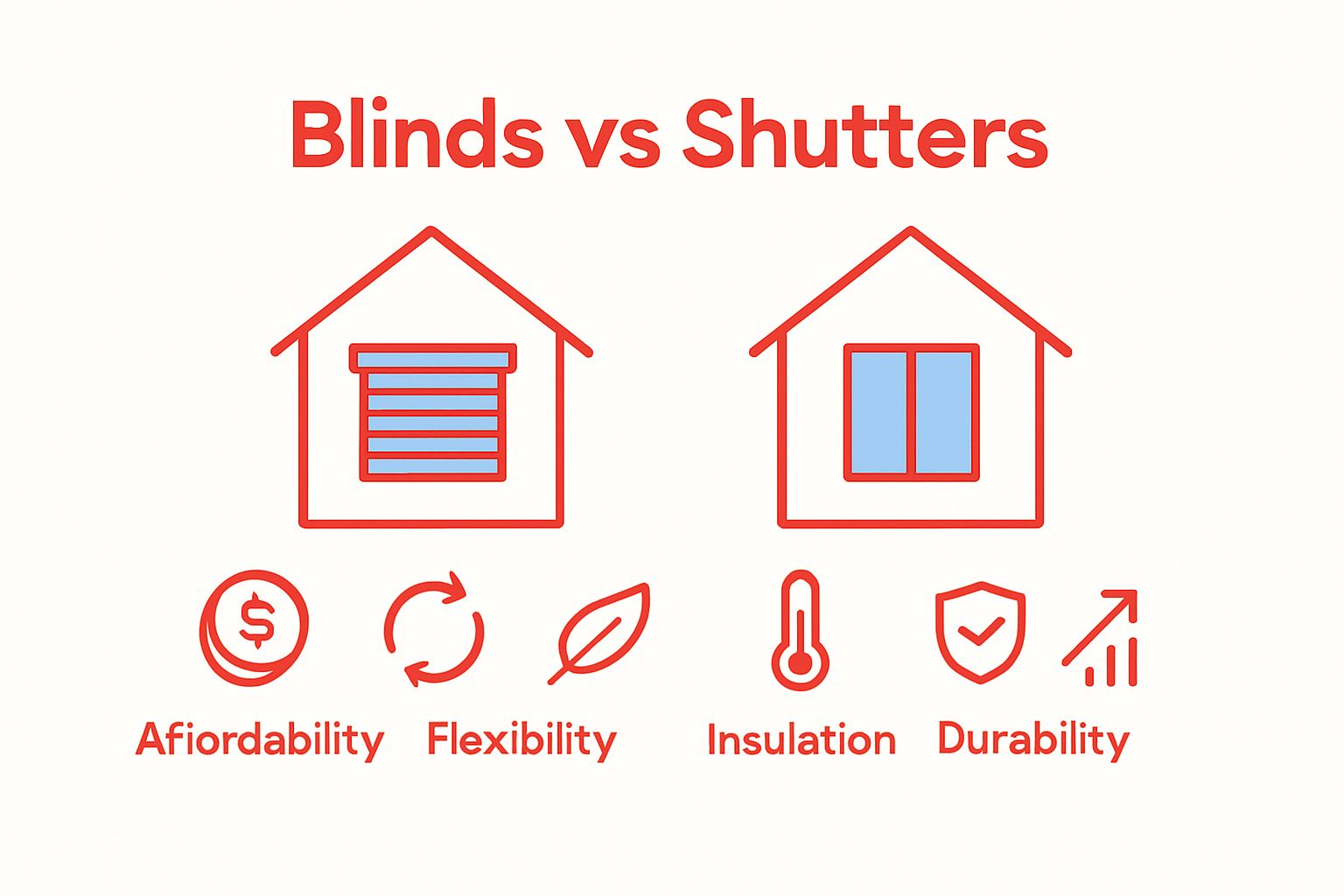
- Light control precision
- Noise reduction capabilities
- Insulation and temperature management
- Durability and long term maintenance requirements
Economic and Property Value Implications
According to real estate valuation research, window treatments are not merely decorative but strategic investments. Shutters typically add more significant property value due to their permanent installation and architectural contribution. They are considered a structural improvement, whereas blinds are viewed as removable accessories.
Climate and Environmental Adaptations
In regions with variable weather conditions like the Southern African coastal areas, window treatments play a crucial role in environmental adaptation. Shutters offer superior insulation, reducing heat transfer and potentially lowering energy consumption. Blinds provide more immediate light and temperature management but may not provide the same long term thermal efficiency.
The choice between blinds and shutters ultimately depends on individual preferences, architectural context, budget constraints, and specific functional requirements.
To help you quickly compare the core differences between blinds and shutters, the following table summarises their main features, advantages, and typical use cases.
| Feature / Aspect | Blinds | Shutters |
|---|---|---|
| Installation | Removable, mounted in or outside window frames | Permanent, fixed directly onto window frames |
| Light Control | Highly adjustable via slats and raising/lowering mechanisms | Louvres/panels for robust but less flexible adjustment |
| Insulation / Energy Efficiency | Moderate, depends on material | Superior thermal and noise insulation |
| Property Value Impact | Minimal, seen as accessories | Increases value due to architectural permanence |
| Materials | Aluminium, wood, fabric, synthetic composites | Wood, vinyl, composite materials |
| Maintenance | Usually lower effort to clean and replace | Requires more effort; panels need periodic maintenance |
| Typical Environments | Modern homes, offices, rental spaces | Residential properties, high-end renovations |
Careful consideration of these factors ensures optimal window treatment selection that enhances both aesthetic appeal and practical performance.
The Mechanics: How Blinds and Shutters Function
The operational mechanisms of blinds and shutters represent sophisticated engineering designed to provide precise environmental control within living and working spaces. Learn more about advanced window treatment technologies to understand their intricate functionality.
Blinds: Precision Light Control Mechanism
Blinds function through a complex system of interconnected components that enable flexible light and privacy management. Their fundamental operation involves horizontal or vertical slats connected by cord or tape systems, allowing multiple adjustment methods:
- Tilting mechanism for angle adjustment
- Lifting and lowering cord system
- Cordless or motorised operation options
According to energy efficiency research, blinds utilise different materials and design principles to modulate light transmission. Aluminium venetian blinds, for instance, reflect sunlight more effectively than fabric alternatives, creating superior thermal regulation.
Shutters: Structural Integration and Movement
Shutters represent a more permanent architectural solution with distinct mechanical characteristics. Unlike removable blinds, shutters are mounted directly into window frames, creating a unified structural element. Their operation involves:
- Louver angle adjustment
- Entire panel hinged movement
- Fixed or operable panel configurations
The mechanical design of shutters allows for robust light control while maintaining architectural integrity. Wood and composite materials provide additional thermal insulation, creating a more stable indoor environment compared to traditional window coverings.
Understanding these nuanced mechanical differences enables homeowners and designers to select window treatments that perfectly balance aesthetic preferences with functional requirements. The choice between blinds and shutters ultimately depends on specific spatial needs, architectural context, and desired level of environmental interaction.
Styles and Materials: Key Concepts to Consider
Selecting the right window treatment involves understanding the intricate relationship between styles, materials, and functional requirements. Explore our comprehensive material selection guide to make informed design choices that complement your space.
Material Composition and Performance
The selection of materials for blinds and shutters directly impacts their durability, aesthetic appeal, and performance characteristics. Different materials offer unique advantages across various environmental conditions:
- Aluminium: Lightweight, rust resistant, ideal for coastal regions
- Wooden materials: Natural insulation, classic aesthetic appeal
- Synthetic composites: Low maintenance, moisture resistant
- Fabric options: Soft texture, versatile light filtering capabilities
According to architectural design research, material selection influences not just appearance but also thermal efficiency and long term functionality.
Style Considerations for Different Environments
Window treatments must harmonise with architectural contexts while meeting specific functional requirements. Southern African coastal environments demand materials and styles that withstand variable weather conditions and intense sunlight. Different style approaches include:
- Minimalist contemporary designs
- Traditional plantation shutter configurations
- Integrated architectural window solutions
- Motorised and automation compatible systems
The interplay between material selection and stylistic choices determines how effectively window treatments integrate with interior design schemes and environmental challenges.
Here is a breakdown of common materials for blinds and shutters, outlining their main characteristics and suitability for South African environments.
| Material | Used In | Key Characteristics | Environmental Suitability |
|---|---|---|---|
| Aluminium | Blinds | Lightweight, rust resistant | Ideal for coastal, humid regions |
| Wood | Blinds/Shutters | Excellent natural insulation, classic look | Suitable for interiors, needs care |
| Synthetic Composite | Blinds/Shutters | Low maintenance, moisture resistant | Great for high moisture, durability |
| Vinyl | Shutters | UV resistant, easy to clean | Good for direct sun and damp spots |
| Fabric | Blinds | Soft texture, versatile light filtering | Suited for softer design schemes |
Ultimately, the most successful window treatments seamlessly combine form and function, transforming spaces through intelligent design and material innovation.
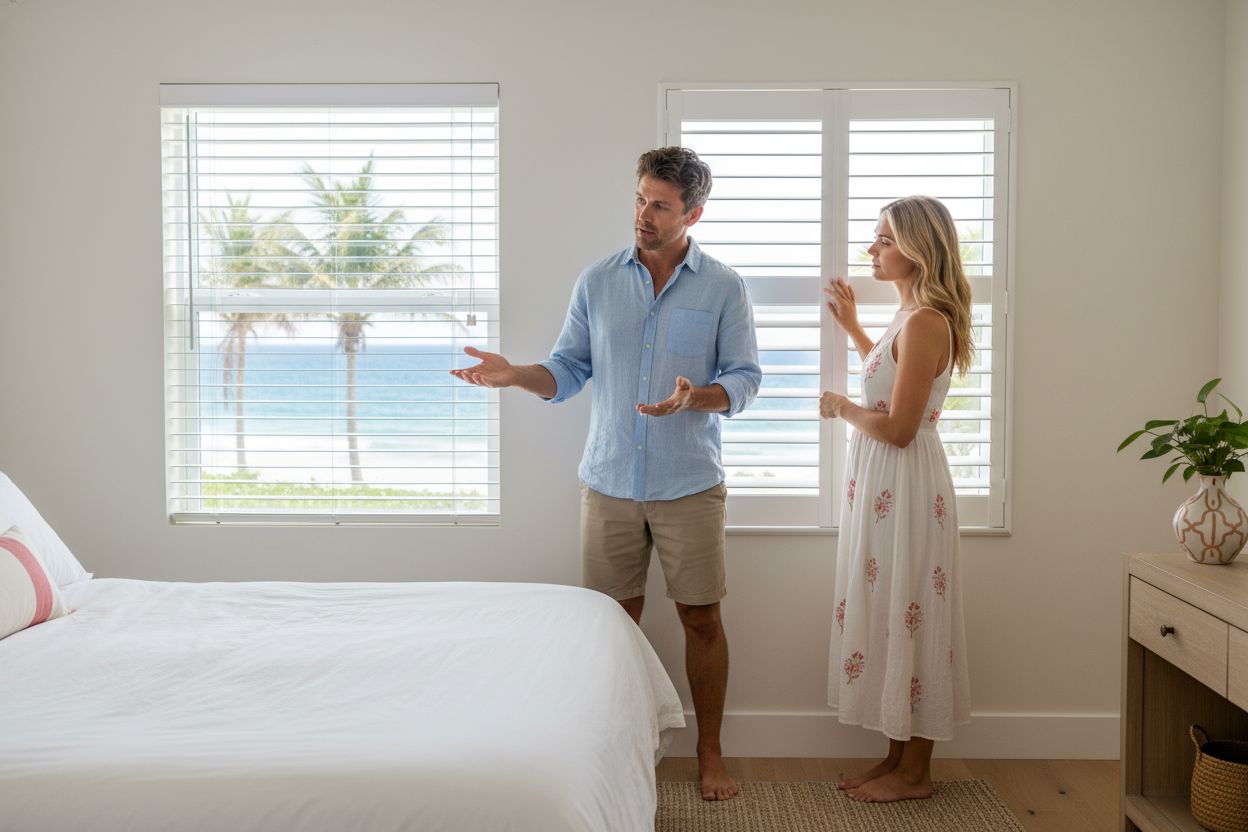
Choosing the Right Option for Your Space
Selecting the ideal window treatment requires careful consideration of multiple factors that extend beyond mere aesthetic preferences. Discover your perfect window solution by understanding the nuanced requirements of your specific environment and lifestyle.
Environmental and Architectural Context
The Southern African landscape presents unique challenges for window treatments, demanding solutions that can withstand intense sunlight, coastal humidity, and variable temperature ranges. Your selection must account for:
- Geographical location specific conditions
- Architectural style of the building
- Existing interior design elements
- Specific room functionality
According to energy efficiency research, the right window treatment can significantly impact thermal regulation and overall energy consumption.
Practical Considerations and Lifestyle Alignment
Window treatments are not just decorative elements but functional investments that should seamlessly integrate with your daily living patterns. Critical factors to evaluate include:
- Maintenance requirements and cleaning complexity
- Budget constraints and long term value
- Privacy and light control needs
- Ease of operation and potential automation compatibility
Homeowners in coastal regions like the Garden Route must prioritise materials and designs that offer durability against salt air, intense UV exposure, and potential moisture challenges. Shutters often provide superior structural integrity, while blinds offer more flexible light management.
The ultimate decision transcends simple visual appeal. It involves creating a harmonious balance between functional performance, aesthetic preferences, and environmental adaptation. By carefully assessing your specific spatial requirements, you can select window treatments that not only enhance your living environment but also provide long term practical benefits.
Transform Your Space with the Perfect Window Solution
Still unsure whether blinds or shutters are right for your home or business? The article has shown just how much hinges on getting the right fit. South Africans often struggle with heat, harsh sunlight, humidity, and the constant challenge of balancing privacy with style. Whether you want flexibility, enhanced insulation, or a timeless aesthetic, your window treatment impacts everything from daily comfort to long-term property value.
Take the stress out of your decision-making. Visit Custom Blinds and discover a curated range of custom blinds and bespoke shutters expertly crafted for our unique coastal climate. Our South African team brings you personalised support through both online and in-person consultations. Ready to move forward? Request a free quote or consultation now and see why local clients trust us to deliver on quality, durability, and style. Make a choice today that feels right for your space.
Frequently Asked Questions
What are the main differences between blinds and shutters?
Blinds are flexible window coverings made of slats that can be adjusted for light and privacy, whereas shutters are solid panels mounted directly onto window frames for a more permanent solution. Shutters offer enhanced structural integrity and insulation compared to blinds.
How do blinds and shutters operate in terms of light control?
Blinds provide multiple adjustment methods, including tilting slats and raising or lowering the entire unit for light management. Shutters typically allow for angle adjustments of louvers and entire panel movements, providing robust control over light and ventilation.
Which option is better for energy efficiency: blinds or shutters?
Shutters generally provide better insulation and thermal efficiency, which can help lower energy consumption in variable climates. Blinds offer more immediate light and temperature regulation but may not provide the same long-term efficiency as shutters.
What materials are commonly used for blinds and shutters?
Blinds can be made from materials like aluminium, wood, fabric, and synthetic composites, offering versatility and various aesthetic options. Shutters are usually crafted from wood, vinyl, or composite materials, with wood providing a classic appearance and better insulation properties.
Recommended
Custom Blinds Shutters and Awnings serves Knysna George Plettenberg Bay Mossel Bay Sedgefield and the wider Garden Route. Order online at customblindsonline.co.za or get design and automation help at customblindsai.online. Main site customblinds.co.za.


Comments
Post a Comment