Understanding Shutters vs Blinds: Key Insights Explained
Understanding Shutters vs Blinds: Key Insights Explained
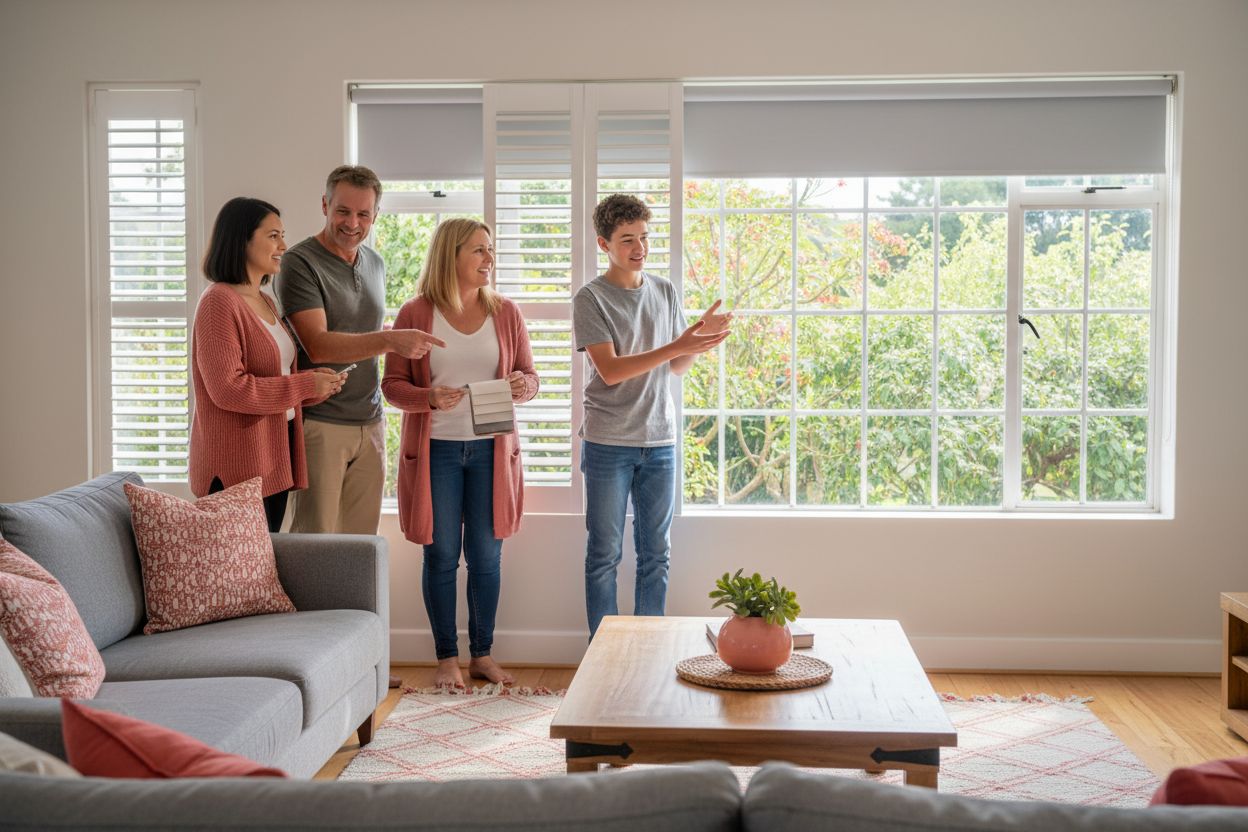
Shutters and blinds are some of the most popular choices for window treatments in South African homes and each comes with its die-hard fans. You might think the main difference is style or price but here is a shocker. Professionally installed shutters can actually boost your property value while offering up to 30 percent better insulation than standard blinds. That means your choice affects much more than just the look of your windows.
Quick Summary
| Takeaway | Explanation |
|---|---|
| Understand differences: shutters vs blinds | Shutters are solid with fixed mounting, while blinds are versatile and hang freely. |
| Shutters enhance property value | Shutters act as lasting architectural features, improving home aesthetics and market appeal. |
| Choose materials wisely for performance | Wood offers warmth; aluminium provides durability; composites balance both qualities effectively. |
| Consider room function for selection | Use shutters in social spaces for durability; choose blinds for flexible light control in bedrooms. |
| Invest in quality for long-term benefits | High-quality window treatments yield energy savings and increase property value over time. |
Defining Shutters and Blinds: Key Differences
Understanding the nuanced differences between shutters and blinds is crucial for homeowners seeking the perfect window treatment solution. While both serve similar purposes of light control and privacy, they possess distinct characteristics that set them apart.
Structure and Design
Shutters are solid window coverings typically made from wood, vinyl, or composite materials with permanent, fixed mounting brackets attached directly to window frames. They feature horizontal or vertical slats called louvres that can be adjusted to control light and airflow. Read more about window covering design options.
Blinds, conversely, are more versatile window coverings constructed from fabric, aluminium, or soft materials. They usually hang from a headrail and can be raised or lowered using cords, wands, or motorised mechanisms. Common types include roller, vertical, and Venetian blinds.
Functionality and Aesthetic Considerations
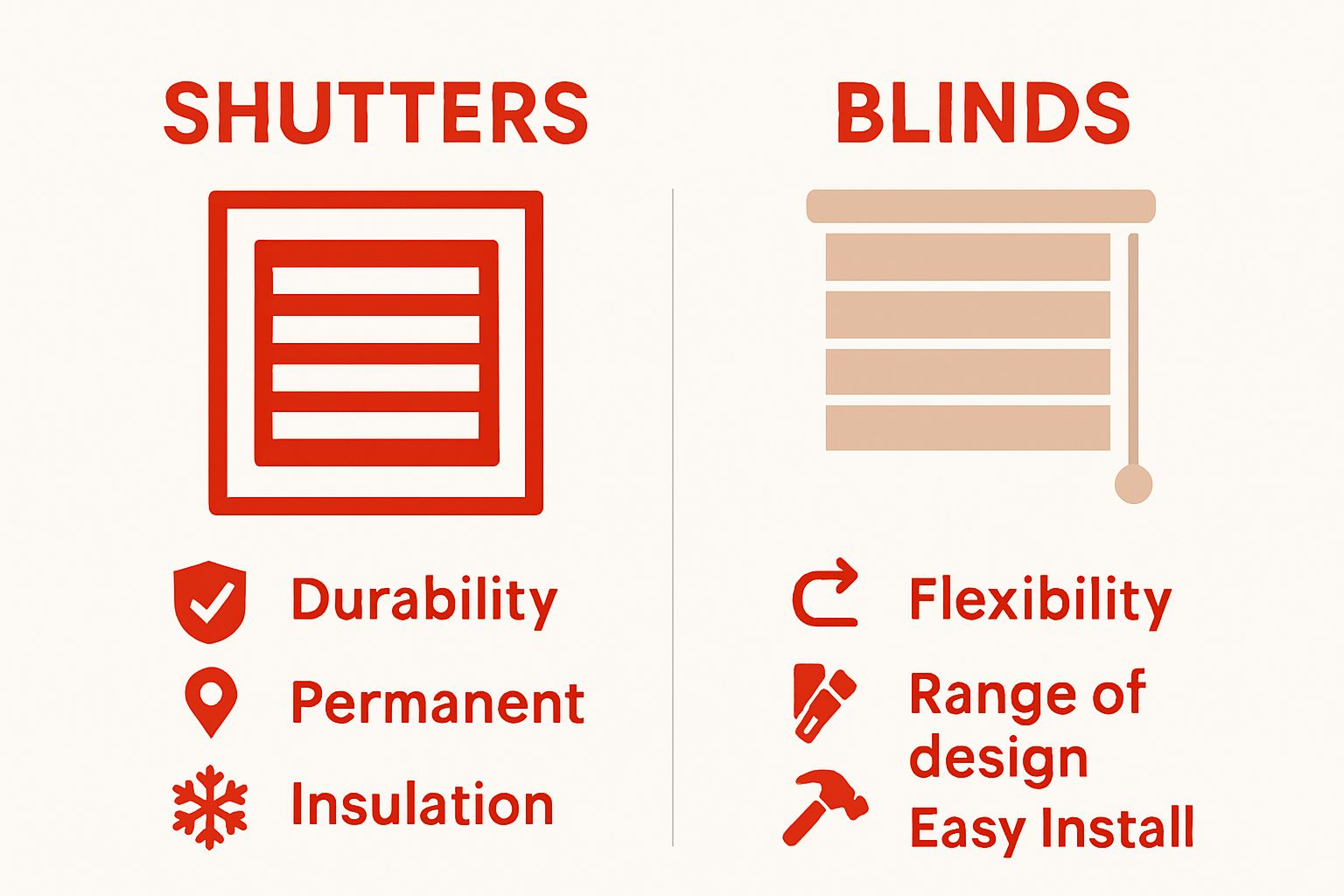
Shutters offer superior durability and provide excellent insulation properties. They create a permanent architectural feature that can significantly enhance property value.
Their robust construction allows precise light management and superior privacy control.
Blinds provide more flexible light filtering options with varying opacity levels. They can be quickly adjusted to manage sunlight intensity and offer a wider range of design possibilities. Homeowners appreciate their lightweight construction and ability to complement diverse interior design styles.
Cost and Installation Factors
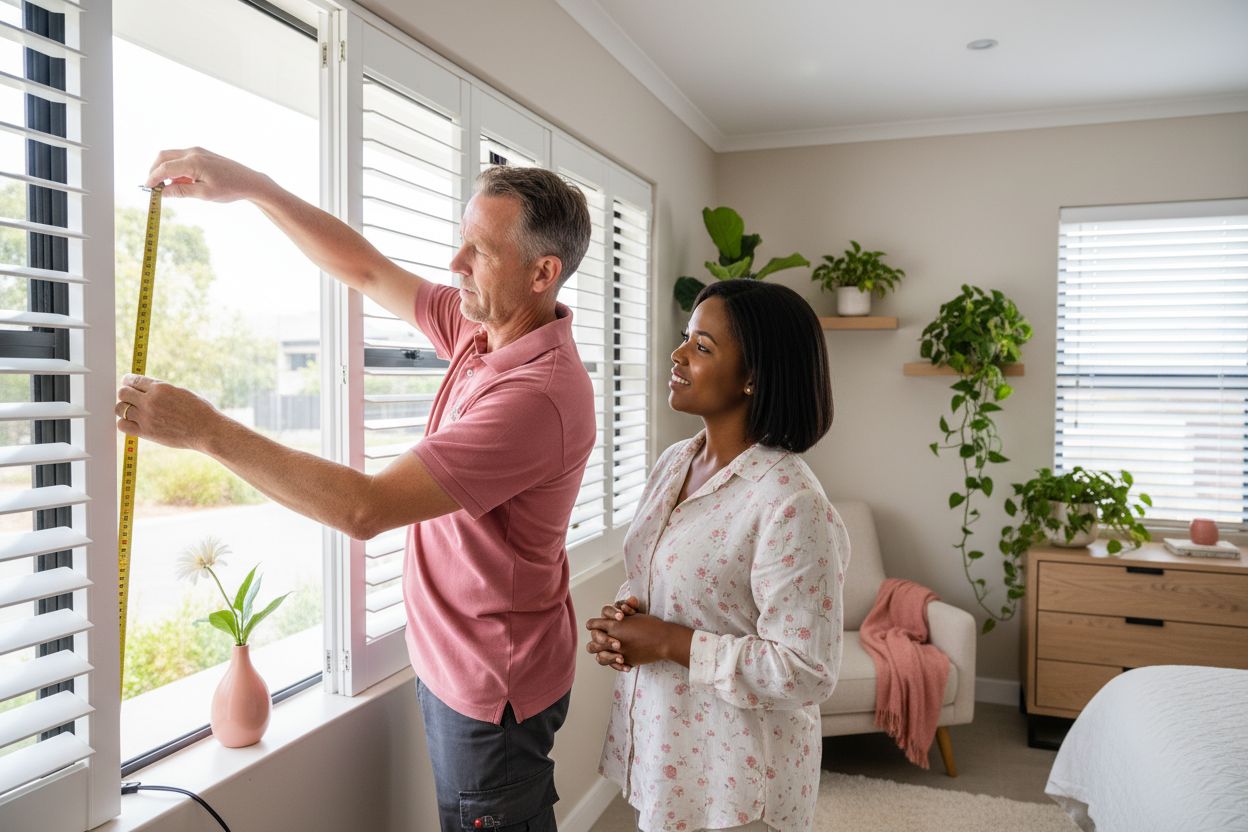
Shutters typically represent a more significant investment, requiring professional measurement and installation. They are considered a permanent home improvement that adds long term value. Blinds offer more budget friendly alternatives with simpler installation processes and greater design flexibility.
Understanding these fundamental differences helps homeowners make informed decisions about window treatments that best suit their aesthetic preferences, functional requirements, and budget constraints.
Below is a comparison table to help you quickly differentiate between shutters and blinds based on structure, functionality, aesthetic, cost, and installation.
| Feature | Shutters | Blinds |
|---|---|---|
| Structure & Mounting | Solid, permanently fixed to window frame | Freely hanging, attached to headrail |
| Material Options | Wood, vinyl, composite | Fabric, aluminium, synthetic |
| Durability | High – lasts decades when maintained | Moderate – lifespan varies by material and quality |
| Light & Privacy Control | Excellent – adjustable louvres, precise management | Good – options for various opacity, easily adjustable |
| Insulation | Superior – up to 30% better than standard blinds | Moderate – less thermal regulation |
| Aesthetic Value | Architectural feature, increases property value | Versatile styles, suits many decors |
| Installation | Requires professional installation, custom fit | Simple DIY or professional installation |
| Cost | Higher initial investment, long-term value | Budget friendly, wide cost range |
The Role of Shutters and Blinds in Home Design
Window treatments are far more than functional accessories they are pivotal design elements that transform living spaces by influencing light, privacy, and aesthetic appeal. Explore creative window design solutions that enhance both interior and exterior architectural character.
Aesthetic and Architectural Integration
Shutters and blinds serve as critical architectural details that contribute significantly to a home’s visual narrative. In modern South African homes particularly along the Garden Route traditional wooden shutters complement coastal architectural styles while contemporary aluminium blinds offer sleek minimalist alternatives. These window treatments act as design statements that reflect personal style and regional aesthetic preferences.
Key design considerations include:
- Colour coordination with existing interior palette
- Material selection matching architectural style
- Proportional sizing complementing window dimensions
Functional Design Dynamics
Beyond visual appeal window treatments play strategic roles in environmental control. Shutters provide superior thermal insulation reducing heat transfer and managing interior temperatures effectively. Blinds offer nuanced light filtering capabilities allowing residents precise control over ambient illumination and solar glare.
Residential design experts recognise that thoughtfully selected window treatments can dramatically impact living environments. They modulate natural light create visual depth and contribute to energy efficiency by reducing heating and cooling demands.
Psychological and Practical Implications
Window treatments significantly influence psychological comfort within living spaces. Well designed shutters and blinds create sense of security privacy and personal sanctuary. They transform rooms from mere physical spaces into personalised environments that reflect individual lifestyle preferences.
Homeowners increasingly view window treatments as investments in both aesthetic quality and functional performance. The right selection can enhance property value improve interior comfort and provide long term design solutions that adapt to changing residential needs.
Material Choices: How They Affect Performance
Choosing the right material for shutters and blinds is a critical decision that significantly impacts their functionality, durability, and aesthetic appeal. Different materials offer unique advantages and challenges that homeowners must carefully consider.
Wood: Traditional Elegance and Natural Insulation
Wooden shutters and blinds represent a timeless choice in South African homes, particularly in coastal regions like the Garden Route. Wooden materials provide exceptional natural insulation properties and create a warm, organic aesthetic that complements various architectural styles.
Key benefits of wooden window treatments include:
- Superior thermal regulation
- Natural sound absorption capabilities
- Rich, adaptable aesthetic that ages gracefully
- Potential for custom staining and finishing
However, wood requires consistent maintenance to prevent moisture damage, warping, and potential insect infestation in humid coastal environments.
Aluminium and Synthetic Materials: Modern Performance
Modern synthetic materials like aluminium and PVC offer remarkable performance characteristics suited to challenging environmental conditions. These materials resist corrosion, require minimal maintenance, and provide exceptional durability against Southern African coastal weather patterns.
Synthetic window treatments excel in:
- Resistance to humidity and salt air
- Lightweight construction
- Cost effective long term solutions
- Easy cleaning and maintenance
Composite and Hybrid Materials: Innovative Solutions
Advanced composite materials represent the cutting edge of window treatment technology. By combining multiple material properties, these innovative solutions offer enhanced performance that addresses multiple homeowner requirements.
Composite shutters and blinds blend characteristics like thermal efficiency, moisture resistance, and aesthetic flexibility. They represent a sophisticated compromise between traditional wooden warmth and modern synthetic performance, providing homeowners with versatile window treatment options that adapt to diverse architectural and environmental challenges.
Practical Applications: Where to Use Shutters vs Blinds
Selecting the appropriate window treatment depends on specific room characteristics, functional requirements, and aesthetic goals. Understanding where each option performs best helps homeowners make informed design decisions. Explore strategic window treatment placement techniques.
Living Areas and Social Spaces
In open living spaces and entertainment areas, window treatments must balance functionality with visual appeal. Shutters excel in these environments by providing a permanent architectural element that creates refined visual continuity. Their robust structure allows precise light management while contributing to the room’s overall design narrative.
Ideal applications for shutters include:
- Floor to ceiling window configurations
- Spaces requiring consistent aesthetic framework
- Areas with uninterrupted architectural lines
Blinds offer more flexible light filtering in social spaces, enabling quick adjustments for different times of day and various social scenarios.
Bedrooms and Private Spaces
Private spaces demand nuanced light control and privacy considerations. Blinds provide exceptional performance in bedrooms, offering multiple opacity levels and precise light management. Vertical or roller blinds can completely block external visibility when closed, creating ideal sleeping environments.
Shutters become particularly effective in bedrooms with:
- Irregular window shapes
- Heritage or classic architectural styles
- Requirements for superior thermal insulation
- Desire for permanent architectural enhancement
Specialized Areas: Kitchens and Bathrooms
In moisture prone environments like kitchens and bathrooms, material selection becomes critical. Aluminium and synthetic blinds demonstrate superior performance, resisting humidity and allowing easy cleaning. Their lightweight construction permits quick maintenance and prevents moisture related degradation.
Composite materials represent an innovative solution for challenging environments, offering durability without compromising aesthetic flexibility. Homeowners can select window treatments that withstand high humidity while maintaining design coherence across different living spaces.
To help summarise how materials affect the performance and suitability of shutters and blinds in South African homes, here is a breakdown of key characteristics per material type.
| Material Type | Key Benefits | Challenges | Best Use Cases |
|---|---|---|---|
| Wood | Warm aesthetic, great insulation, custom finishes | Needs regular care, sensitive to moisture/insects | Classic homes, living areas |
| Aluminium | Durable, moisture resistant, low maintenance | Might lack warmth of wood | Coastal areas, bathrooms |
| Composite/Hybrid | Combines insulation, moisture resistance, versatility | Slightly higher cost than basic materials | All environments, modern homes |
| Fabric (Blinds) | Soft look, many colours/patterns, flexible light | Less durable, can stain easily | Bedrooms, offices |
| PVC/Synthetic | Lightweight, easy to clean, affordable | Prone to bending if low quality | Kitchens, bathrooms |
Long-Term Benefits of Investing in Shutters or Blinds
Window treatments represent more than aesthetic accessories they are strategic investments that deliver substantial long-term value for homeowners. Understanding their comprehensive benefits helps make informed decisions about property enhancement. Discover sustainable window treatment solutions.
Financial and Property Value Considerations
Quality shutters and blinds directly contribute to property valuation by improving architectural appeal and functional performance. Professional real estate assessments consistently demonstrate that well-maintained window treatments can increase home market value by enhancing overall visual coherence and perceived maintenance standards.
Key financial advantages include:
- Potential property value appreciation
- Reduced energy consumption costs
- Minimal replacement and maintenance expenses
- Enhanced aesthetic marketability
Investments in premium window treatments translate into tangible economic benefits that extend beyond immediate visual improvements.
Energy Efficiency and Sustainability
Modern window treatments serve critical environmental management functions. Strategically selected shutters and blinds provide exceptional thermal regulation, reducing reliance on artificial heating and cooling systems. Advanced materials like composite and aluminium offer superior insulation properties that contribute to overall household energy conservation.
Sustainability features encompass:
- Reduced carbon footprint
- Improved indoor temperature management
- Minimized heat transfer through windows
- Decreased electrical consumption
Durability and Lifestyle Enhancement
Professional grade window treatments represent long term lifestyle investments. Their robust construction withstands environmental challenges particularly in coastal regions with fluctuating humidity and temperature conditions. Innovative materials ensure consistent performance while maintaining aesthetic integrity.
Homeowners benefit from window treatments that deliver continuous functionality aesthetic appeal and environmental adaptation.
Here is a summary table outlining the financial, energy, and lifestyle benefits of investing in quality shutters or blinds.
| Long-Term Benefit | Description | Impact for Homeowners |
|---|---|---|
| Property Value | Adds architectural appeal and marketability | Potential resale value increase |
| Energy Efficiency | Enhances thermal insulation, reduces heat loss/gain | Lower energy bills, eco-friendly living |
| Durability | Withstands environmental challenges, lasts for years | Less frequent replacements, cost savings |
| Maintenance | Easy cleaning and minimal repairs with quality options | Reduced ongoing maintenance costs |
| Lifestyle Comfort | Balances privacy, aesthetics, and light control | Improved day-to-day living experience |
| By selecting quality products, residents create living spaces that balance practical requirements with design sophistication, ultimately enhancing daily comfort and property value. |
Take Control of Your Space with Custom Shutters and Blinds
Do you feel uncertain about which window treatment will truly elevate your home while tackling challenges like harsh sun, privacy, or coastal humidity? After reading about the differences in durability, insulation, and aesthetic value between shutters and blinds, you now know how much the right material and expert installation can affect both your comfort and the value of your property. Many South Africans face the same struggle, wanting solutions that stand up to our unique climate while reflecting personal style.
At Custom Blinds, you get tailored advice, premium materials, and professional guidance from a team that understands local needs. Transform your living or work environment with quality products designed for South African homes, whether you are after the warmth of wooden shutters, the flexibility of stylish blinds, or innovative solutions for coastal conditions. Ready to enhance your space and make the right investment? Book a personalised consultation or request your free quote today so you never have to settle for less than the perfect fit.
Frequently Asked Questions
What is the primary difference between shutters and blinds?
Shutters are solid, mounted window coverings that provide durability and insulation, while blinds are versatile fabric or metal coverings that can be raised or lowered. Consider your aesthetic preferences and insulation needs when deciding between them.
How do I choose the right window treatment for my living room?
In living rooms, shutters can create a refined visual impact, while blinds offer flexible light control. Assess the natural light conditions and your desired level of privacy to make the best choice.
Can shutters improve the energy efficiency of my home?
Yes, shutters can enhance energy efficiency by providing superior thermal insulation, which helps manage indoor temperatures. Install them to potentially reduce your energy consumption by up to 20%.
What types of materials are used for shutters and blinds?
Shutters are typically made from wood, vinyl, or composite materials, while blinds can be made from fabric, aluminium, or synthetic materials. Evaluate the specific needs of each room to select the best material for durability and maintenance.
How do I maintain shutters and blinds to ensure their longevity?
Regular cleaning and appropriate maintenance are key for both shutters and blinds. Wipe them down with a damp cloth monthly to prevent dust buildup, and check for any loose fittings or damages quarterly to prolong their lifespan.
What are the best practical applications for using shutters versus blinds in bedrooms?
Shutters offer excellent insulation and privacy, making them ideal for bedrooms, while blinds provide adjustable light control. Consider using shutters for aesthetic appeal in heritage-style homes and blinds for modern designs that need quick adaptability.
Recommended
Custom Blinds Shutters and Awnings serves Knysna George Plettenberg Bay Mossel Bay Sedgefield and the wider Garden Route. Order online at customblindsonline.co.za or get design and automation help at customblindsai.online. Main site customblinds.co.za.


Comments
Post a Comment